
B2B Marketplace Integration: Common Pitfalls and How to Solve Them.
Many companies use B2B marketplaces like Amazon Business or Mercateo but do not integrate them into their system architecture. This article outlines common technical challenges and explains how a structured EDI and API-based connection can be implemented sustainably.
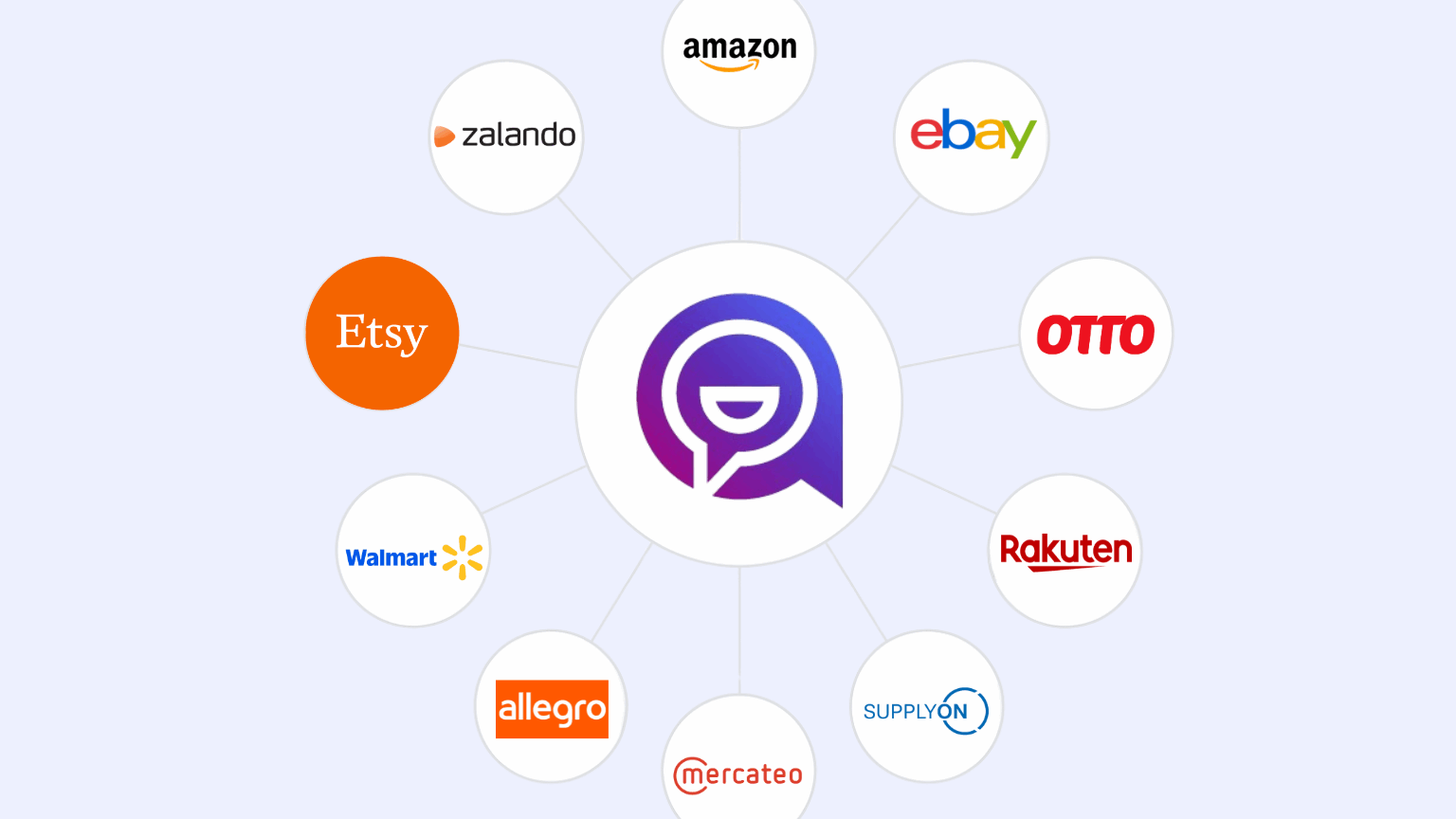
Many companies are already active on B2B marketplaces such as Amazon Business, Mercateo, or SupplyOn. Orders are received, invoices processed, and initial revenues generated.
However, what is often missing is a solid integration strategy that connects these platforms to the existing IT architecture. Without it, media disruptions, manual workarounds, and growing operational effort become unavoidable.
1. Marketplaces are connected, but not integrated
Many companies connect marketplaces via APIs or web portals, but the data is then manually transferred into internal systems, bypassing established EDI or ERP infrastructure.
This leads to:
- Manual data handling and increased error potential
- Process gaps between marketplace and ERP
- Unnecessary administrative overhead in purchasing and logistics
2. Inconsistent interface logic
Each marketplace uses its own APIs, formats, and authentication methods, so standardized EDI protocols usually don’t apply.
The result:
- Custom technical solutions for every integration project
- Decentralized processes without unified logic
- High maintenance complexity and failure risk
3. Undefined responsibilities across departments
Sales departments often initiate marketplace usage, while IT is tasked with technical implementation, yet no one clearly owns the end-to-end process.
Typical consequences:
- Unclear communication paths during incidents
- No defined ownership or operations model
- Delayed prioritization of integration-related issues
4. Poor data quality prevents automation
Inconsistent master data, such as item numbers or VAT IDs, prevents automated processing within ERP systems, and leads to manual corrections.
This results in:
- Manual corrections and increased processing time
- Data mismatches across systems
- Lack of control over critical business information
5. Missing monitoring and transparency
Most marketplace integrations are not monitored. Errors only become visible when downstream processes like invoicing or delivery fail.
Without monitoring:
- No transparency on document or data status
- No automated error escalation or alerts
- Delays and reactive incident handling
What a stable marketplace integration requires
Marketplace integration is more than just API connectivity. It requires a system-wide architecture that supports:
- Central routing logic for all document types
- Robust mapping from marketplace data to internal formats
- Real-time monitoring and error handling
- Clearly defined roles and responsibilities
- Support for hybrid infrastructures (EDI, API, middleware)
How aurebus supports marketplace integration
At aurebus, we specialize in integrating B2B marketplaces into existing IT environments. Our focus is on robust, scalable, and low-maintenance architectures.
Our services include:
- Technical integration via EDI, API, or middleware: Seamless connection to your ERP, logistics, and master data systems.
- Development of routing and mapping logic: Marketplace-specific formats are transformed into your internal data structure – fully automated.
- Organizational consulting: We support you in defining roles, responsibilities, and long-term operations concepts for marketplace communication.
Conclusion: Connecting is not integrating
APIs and portals are only one part of the solution. Sustainable marketplace integration requires a clear strategy – both technically and organizationally.
If you’re working on integrating B2B marketplaces into your system landscape, let’s talk.
 Integration
EDI Glossary: Key Terms Explained
If you are dealing with EDI for the first time, you will quickly come across abbreviations such as ORDERS, AS2, or GLN. Most of these terms originate from standards that have been around for decades and are used in projects…

aurebus teammembers E-invoice, Integration, Operations, SEEBURGER BISEDI Consulting: 5 Key Factors for Secure and Reliable Integration
Many companies look for EDI consulting when SEEBURGER BIS, APIs, e‑invoicing, or global rollouts need to run reliably. Examples such as Dr. Oetker, Bossard, edding, and Bell Food Group show what really matters in complex B2B integration.